Blog
-
 Read more: The cost of poor recordkeeping is overhead that compounds
Work moves. Meetings happen. Updates go out. A portion of each meeting is reconstruction: someone asks what was decided last month, a new team member needs the background explained, the manager asks a question the written record doesn’t answer. The team responds, and the conversation does the work the record was supposed to do. The…
-
 Read more: What a long update is actually telling you
A team gives a status update. It runs twenty minutes. The leader asks a clarifying question. The team answers at length. Nobody is padding. Nobody is covering for weak work. There is just no short answer, because the update wasn’t held to anything short enough to measure against. The length is a signal, and it…
-
 Read more: Work loses ground between moments of attention
Leadership asks for a progress report. The team has been working hard on work that matters. The update can’t be written in a way leadership will understand. A decision from three weeks ago is back on the table; the reasoning didn’t survive the gap. This is what work erosion looks like, and the cause is…
-
 Read more: What organizations lose when experienced contributors leave
The departure itself is not where the loss happens. By the time someone leaves, the organization has already been losing ground for months, sometimes years. Capable contributors carry the reasoning behind decisions, the context for commitments, the history of what was tried and why. This burden has no formal name and no designated location. It…
-
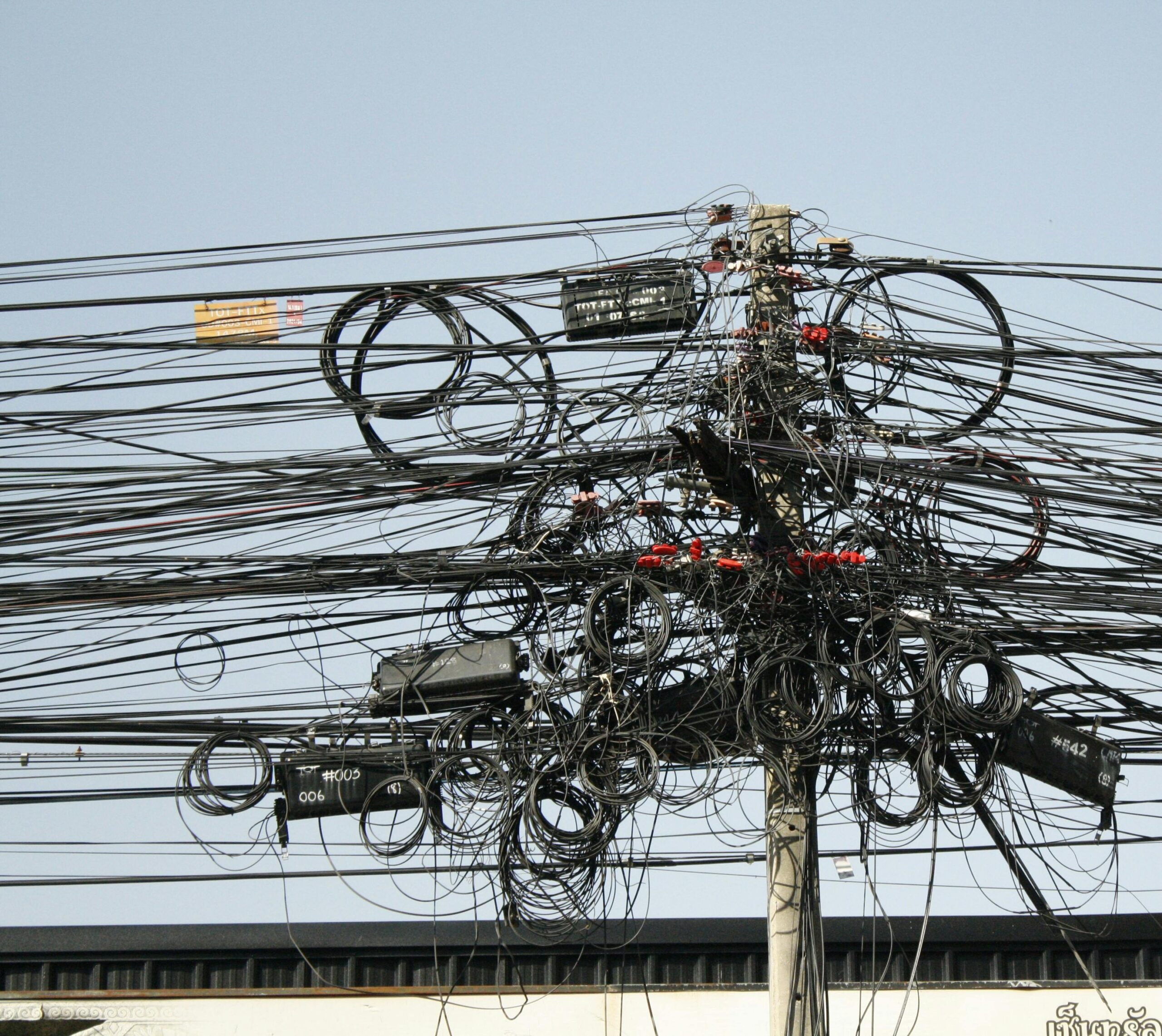 Read more: The Hidden Labor Inside Distributed Work
How team work creates organizational debt… and how to avoid it and create conditions for sustained innovation instead.
-
 Read more: How to tell if your work is moving forward
Design your work so it builds on itself.
-
 Read more: Work builds on itself when someone decides it’s worth protecting
As a contributor, you can change the trajectory of your work and create a valuable precedent for your team.
-
 Read more: Continuity Is What Makes Work Resilient
You can plan for resilience in your work. You don’t have to carry the burden of resilience on your shoulders alone.
-
 Read more: When Work Doesn’t Finish, YOU Carry It Forward
Work that isn’t finished stays active and it competes with what comes next. Most teams just carry it forward. Here’s what to do instead.
-
 Read more: “Slow” Teams Don’t Have a Speed Problem
Sometimes the work doesn’t slow down. It just stops fitting the plan. The outcome is still the same. But it takes more to get there than anyone expected. This is where work begins to break down. Read on for how to fix this.
-
 Read more: Hybrid “Chaos” Might be a Decision Problem
Hybrid chaos isn’t caused by distance. It shows up when decisions can’t hold without shared presence. If a decision can be reopened in any way, it never really closed.
-
 Read more: Why High Performers Get Tired on Hybrid Teams
Design work for visibility, and your contribution will carry more value.
-
 Read more: Retention Erodes in the Messy Middle
Most organizations understand the moments that define the employee experience. Hiring well matters. Onboarding matters. Project completions are celebrated. What gets less attention is the stretch of time between a strong start and a clean finish. The middle of meaningful work. That is where retention risk forms.
-
 Read more: The Retention Risk Attendance Policy Cannot Solve
Many return-to-office policies aim to restore stability and strengthen culture. Yet retention pressure often persists. The deeper issue is not location, but continuity: whether outcomes, decisions, and progress are preserved as work moves across time. When effort does not accumulate, talented contributors disengage. Read on to find an alternative.
-
 Read more: Why Careers and Initiatives Rise or Stall Together
Careers and initiatives rise or stall together. When progress isn’t preserved, both slow down, even when effort is high. This article explains why “sustain” matters and how advocacy grows from work that holds together over time.