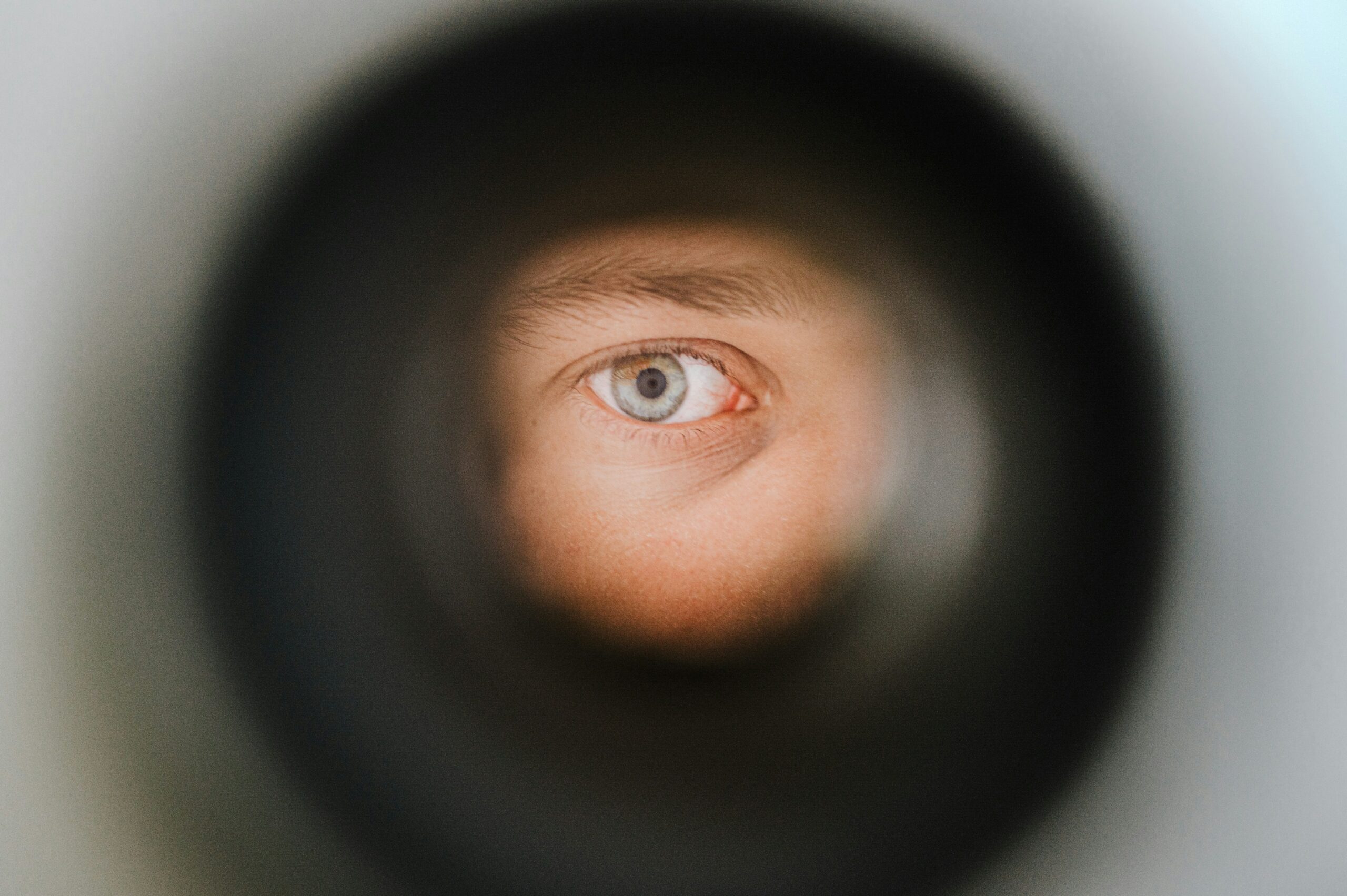
Most leaders don’t set out to monitor people.
They don’t want to count green dots or badge swipes, track response times, or wonder who’s really working. Yet in remote and hybrid environments, monitoring creeps in anyway.
Not because leaders are controlling, but because clarity is missing, and uncertainty always looks for a substitute.
Monitoring shows up when leadership systems don’t exist
In offices, proximity did a lot of invisible work. You could see effort, overhear context, and sense momentum.
Remote work removed that ambient signal. Most organizations never replaced it with anything structural. So leaders filled the vacuum with what felt closest:
visibility through observation.
Status indicators.
Activity metrics.
More meetings.
More “just checking in.”
Monitoring becomes a proxy for knowing. The problem is that it measures motion, not meaning.
Watching activity answers the wrong question.
It answers: Are you there?
It doesn’t answer: Is this moving the right work forward?
Effort is loud. Outcomes are quiet.
When monitoring becomes the default:
• High performers over-explain
• Thoughtful workers go heads-down and invisible
• Managers watch instead of clarify
• Trust diminishes on both sides
Everyone gets busier. No one feels steadier.
The illusion of control
Monitoring creates the feeling of control, but it’s a fragile system.
People optimize for what’s being watched. They respond faster, attend more meetings, narrate work instead of advancing it. From the outside, things look… active.
Inside, progress slows.
That’s not a people problem. It’s a system problem.
What actually replaces monitoring
The opposite of monitoring isn’t “just trust people more.”
That advice collapses under pressure.
What replaces monitoring is clear work.
Clear outcomes.
Clear expectations.
Clear rhythms for showing progress.
Clear definitions of “done.”
When work is clear:
• Leaders don’t need to watch
• Workers don’t need to perform
• Visibility becomes a byproduct
Clarity scales. Surveillance doesn’t.
Remote didn’t create this problem, but it did expose it
Most organizations were already fuzzy about outcomes.
Remote work just removed the camouflage provided by “being together”.
When leaders worry about accountability, they’re usually worried about not knowing.
Monitoring produces data.
Leadership produces meaning.
A better leadership move
The leaders thriving right now aren’t watching harder. They’re designing better systems.
They ask:
• What outcome matters this week?
• How will progress be visible without narration?
• What signal tells us this work matters?
• What rhythm replaces constant checking?
They see less but understand more.
As the year closes
The question isn’t: “How do I keep an eye on things?”
It’s: “What would make watching unnecessary?”
That answer isn’t surveillance. It’s leadership.
In January, I’ll be sharing practical ways to make progress visible without more meetings, monitoring, or performative updates.
I write weekly about clarity, outcomes, and working well across distance in Remote Leadership Notes.